Blackjack Tips for Better Online Casino Sessions
11 July 2026 | 101
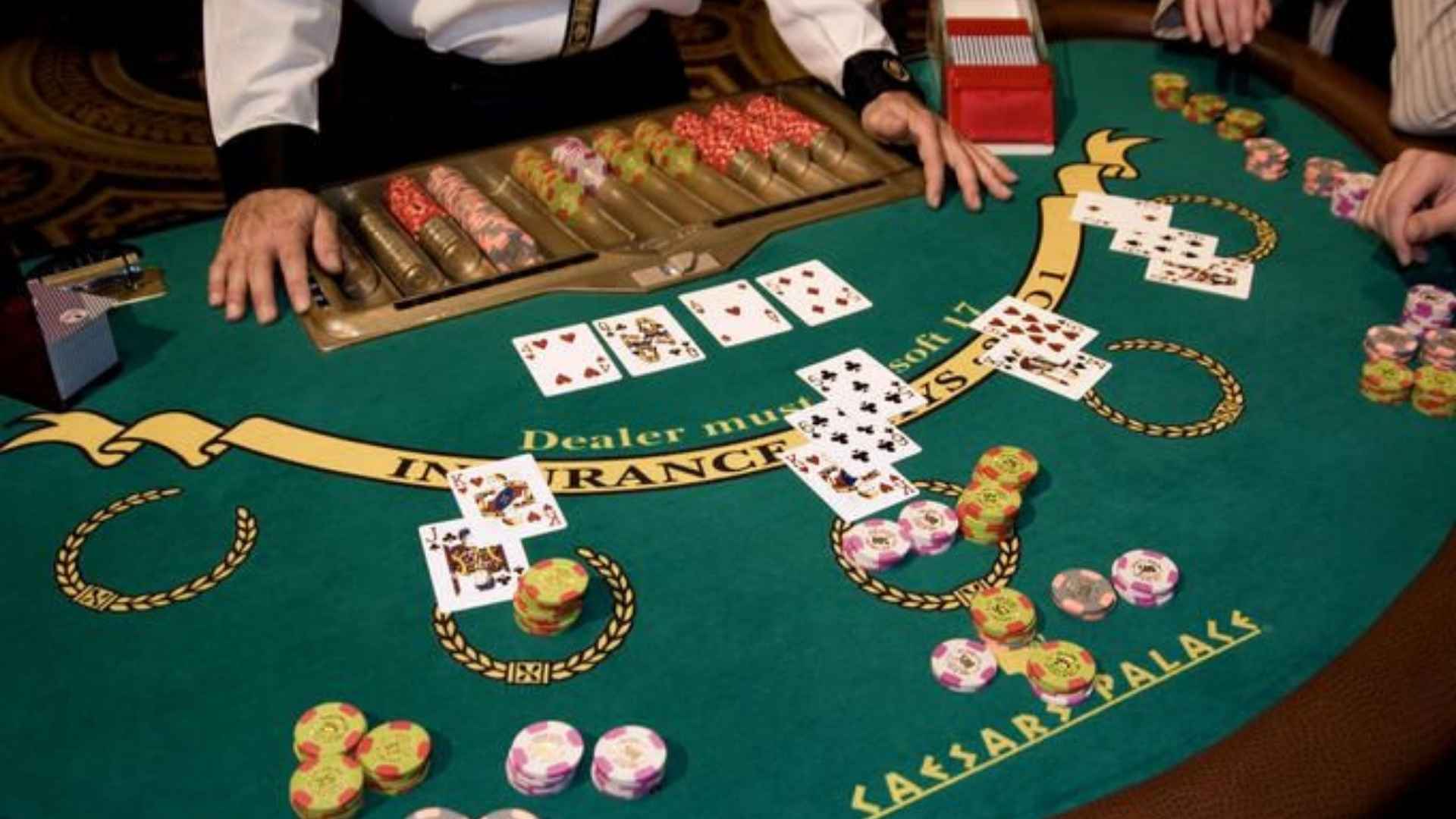
Blackjack has stood the test of time as one of the most compelling card games in both physical and digital casino spaces. Unlike games that rely purely on randomized chance, it offers a unique environment where player decisions actively shape the final outcome of each round. By gaining a firm grasp of its fundamental systems, any player can step up to the table with a strategic mindset and higher confidence.
The Primary Objective and Initial Card Deal
The fundamental goal of a blackjack round is straightforward: you must establish a hand total that is higher than the dealer's score without exceeding the number 21. Many beginners mistake the game for a competition against other players at the table, but your calculations should focus entirely on beating the house. Each round begins with all participants receiving two cards, while the dealer also takes a starting pair.
One of the dealer's cards is placed face-up for everyone to see, providing a critical piece of hidden mathematical data that should guide your strategy. The other remains face-down, adding an element of suspense that requires careful deduction. Learning to read these initial layouts effectively can be done seamlessly by completing your m88 asia login to access simulated training environments.
Understanding Numerical Face Values
Calculating your current hand total requires a basic understanding of how different cards are valued within the framework of the game. Numbered cards from 2 through 10 carry their exact standard numeric values without any hidden complications or surprises. This predictability allows you to quickly assess your starting strength as soon as the dealer distributes the cards.
The system shifts slightly when it comes to face cards, as Jacks, Queens, and Kings are all universally valued at exactly 10 points each. Aces serve as the most flexible assets in the deck because they can count as either 1 or 11 points depending on what benefits your current hand more. This unique versatility helps protect you from accidentally exceeding the limit and bursting early in the round.
Core Strategic Choices at the Table
Once you evaluate your initial two cards against the dealer's visible upcard, you must choose between a few essential playing options. Opting to hit means requesting an additional card from the deck to boost your overall point total closer to 21. Choosing to stand means you are satisfied with your current score and want to pass the action directly back to the dealer.
Advanced situations allow you to split matching pairs into two independent hands or double down to increase your active wager when the math is heavily in your favor. Each option carries distinct statistical probabilities that vary based on the specific composition of your starting cards. Cultivating discipline around these basic tactical decisions is the most reliable way to enjoy sustainable success over time.
Executing Disciplined Bankroll Management
No mathematical strategy can truly succeed over the long term without a solid framework for managing your available session funds. Professional players always establish a strict budget before placing their first bet and commit to never chasing unexpected losses. Keeping your individual wagers proportional to your overall capital ensures that short-term volatility does not disrupt your strategy.
Maintaining complete emotional control prevents you from making impulsive choices based on superstition rather than verified mathematical facts. Knowing precisely when to walk away from the table is just as vital as knowing when to take another card. By blending tactical card knowledge with consistent financial boundaries, you transform a casual pastime into a rewarding strategic pursuit.